
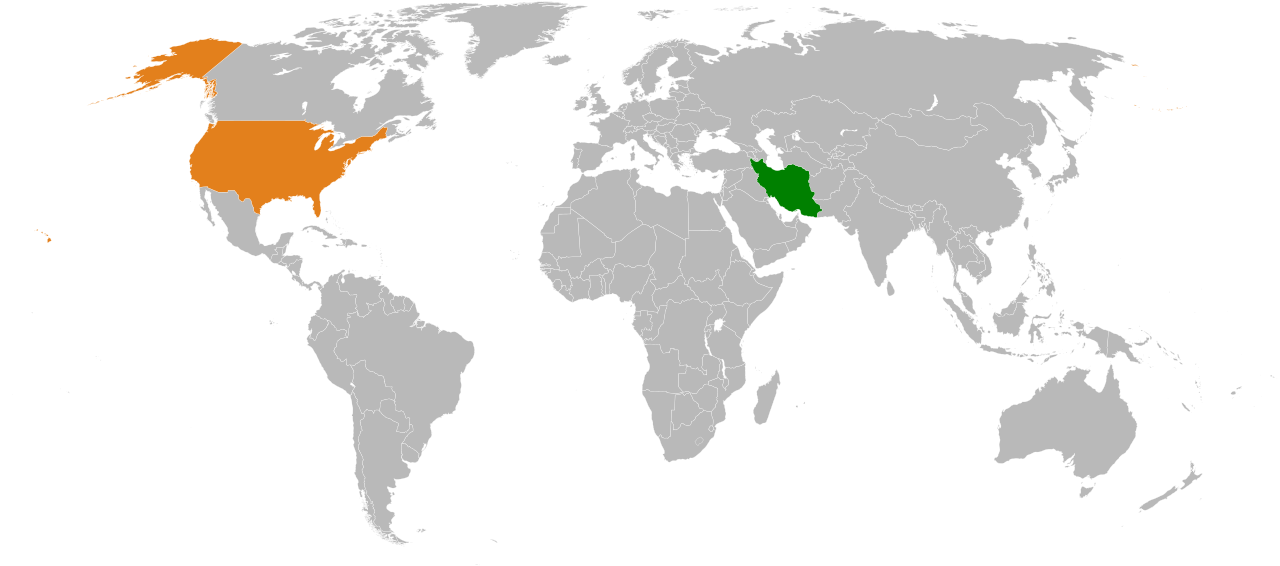
2026 Iran–United States crisis
Background
Anti-regime protests in Iran
US military buildup and US–Iran negotiations
United States buildup
US Government approach
Congressional debates
Diplomacy
Military buildup
Threatening speeches and posts
Iranian buildup
Verbal response
Attempts to control protests
Diplomatic response
Military and movements
Proxies responses and other allied responses
Negotiations
Hostilities
Israeli–United States strikes on Iran
Iranian strikes on Middle Eastern countries
1 March
US and Israeli strikes
Iranian retaliation
Diplomatic developments
Saudi response
E3 response
Negotiations
2 March
US and Israeli strikes
Iranian retaliation
Hezbollah–Israel conflict
International reactions
Europe
Officials expressed “deep concern over the escalating confrontation between the United States and Iran” and urged both sides to avoid actions that could trigger a wider conflict.
EU security analysts warned that the crisis risked “a dangerous nuclear proliferation cascade” if diplomacy continued to collapse.
The EU labelled the IRGC a terrorist organisation on 29 January 2026.
German policymakers stated that “the combination of Iran’s internal repression and U.S. military signaling leaves almost no margin for error.”
French officials called for restraint, saying “the region cannot absorb another major conflict, especially one involving nuclear‑sensitive facilities.”
See also
Notes
References
^
^
^
^
^
^ {{: CS1 maint: multiple names: authors list (
^
^
^
^
^
^
^
^
{{: CS1 maint: multiple names: authors list (
^
{{: CS1 maint: url-status (
^
^
^
^
^
^
^
^
^
